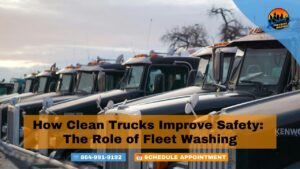

Truck Wash Services: Safety, Logistics & Best Practices
Keeping trucks clean is not just about looks. A dirty truck can affect safety, damage equipment, and slow down daily operations. Regular truck wash services help fleets stay compliant, reduce wear, and keep vehicles road-ready. Knowing how truck washing works, what safety steps matter, and how to plan it properly can save time and money. This guide breaks down truck wash services, safety concerns, logistics, and best practices in a clear and practical way.
Why Regular Truck Washing Matters
Safety and Compliance Benefits
Regular truck washing plays a direct role in keeping vehicles safe and compliant on the road. Dirt, grease, and buildup can reduce visibility by covering headlights, mirrors, windows, and reflective surfaces. Keeping lighting and reflective markings clean helps drivers see clearly and ensures trucks are visible to others, especially at night or in poor weather. Routine washing also supports compliance with DOT standards and inspections, where vehicle condition and visibility are closely reviewed.
Protecting Fleet Investment
Trucks are a major investment, and regular washing helps protect that investment over time. Road salt, mud, oil, and chemicals can lead to corrosion and rust if left on vehicle surfaces too long. Cleaning the exterior, undercarriage, and wheel areas helps slow down wear and prevent long-term damage. Consistent maintenance through washing can extend the lifespan of trucks and reduce costly repairs or early replacements.
Improving Brand Image
A clean truck makes a strong first impression wherever it goes. Whether parked at a job site, customer location, or driving on the road, a well-maintained vehicle reflects positively on the company behind it. A clean fleet signals professionalism, reliability, and attention to detail. Over time, this visual consistency helps build trust and reinforces brand credibility with customers and the public.
Safety Considerations for Truck Wash Services
Worker Safety Protocols
Truck washing involves high-pressure equipment and cleaning chemicals, making worker safety a top priority. Pressure washing staff should wear proper PPE such as gloves, eye protection, non-slip footwear, and protective clothing to reduce the risk of injury. Training is also essential, as improper handling of high-pressure equipment can cause harm to both workers and vehicles. Clear procedures help ensure equipment is used safely and consistently on every job.
Environmental and Site Safety
Managing the work site is just as important as cleaning the truck itself. Water runoff and detergents should be contained and directed properly to prevent environmental issues and meet local regulations. Wet surfaces can create slip hazards, so warning signs and surface protection should be used during washing. Keeping the work area controlled helps protect workers, nearby vehicles, and surrounding property.
Vehicle Safety Precautions
Protecting the truck during washing prevents costly damage and downtime. Engines, electrical components, and sensitive areas should be covered or avoided to reduce the risk of water intrusion. Trucks should be positioned on stable ground with parking brakes securely engaged before washing begins. These precautions help ensure the wash process is effective without compromising vehicle performance or safety.
Truck Washing Logistics
On-Site vs. Off-Site Wash Services
Choosing between on-site and off-site truck washing depends on fleet size, location, and daily operations. Mobile, on-site washing offers convenience by bringing the service directly to your yard, reducing travel time and keeping trucks in rotation. It works well for fleets that need flexible scheduling or have limited time between routes. Off-site or fixed wash bays, on the other hand, provide controlled environments with built-in drainage and water treatment systems, which can be ideal for deep cleaning and compliance needs.
Scheduling and Fleet Coordination
Proper scheduling keeps truck washing from interfering with daily operations. Most fleets benefit from a consistent wash frequency based on usage, road conditions, and branding needs, whether weekly, bi-weekly, or monthly. Coordinating wash times around routes, deliveries, or off-hours helps minimize downtime. A planned schedule ensures trucks stay clean without pulling too many vehicles out of service at once.
Water Usage & Waste Management
Truck washing requires careful control of water use and waste runoff. Efficient water reclaim systems help reduce overall consumption while still delivering effective cleaning results. Managing wastewater properly is also important to prevent pollutants from entering storm drains or surrounding areas. Following environmental regulations protects both the business and the community while keeping operations compliant and responsible.
Best Practices for Effective Truck Cleaning
Pre-Wash Inspection Checklist
A proper truck wash starts with a quick inspection before any equipment is turned on. Identify fragile parts such as antennas, mirrors, decals, sensors, and exposed wiring that may need extra care or avoidance during washing. Checking tires and the undercarriage is also important, as these areas often collect heavy dirt, grease, and road salt. Noting problem areas ahead of time helps prevent damage and ensures a more thorough clean.
Choosing the Right Cleaning Products
Using the correct cleaning products makes a big difference in both results and vehicle protection. Detergents designed for heavy equipment are formulated to remove oil, grime, and road buildup without harming paint or finishes. Eco-friendly cleaning solutions and degreasers are a smart option for fleets that want effective cleaning while meeting environmental standards. The right products help clean faster, reduce residue, and protect surfaces over time.
Post-Wash Care and Drying Techniques
After washing, proper drying helps maintain a clean and professional appearance. Allowing water to air-dry without attention can lead to streaks, water spots, and residue. Controlled rinsing and drying methods help prevent spotting, especially on windows, mirrors, and painted surfaces. Applying protectant coatings or rust inhibitors adds an extra layer of protection, helping trucks stay cleaner longer and reducing long-term wear.
How Sunset Pressure Washing Supports Your Fleet
Customizable Wash Programs
Sunset Pressure Washing offers flexible truck wash programs designed to fit different fleet needs. Whether you manage a single truck or an entire fleet, services can be scaled to match your operation. Scheduling options include weekly, bi-weekly, and seasonal washes to keep vehicles clean year-round. This flexibility helps fleets maintain consistency without disrupting daily routes.
Professional Equipment & Trained Teams
Effective truck washing requires the right tools and experienced crews. Pressure washing services from Sunset Pressure Washing use professional high-pressure systems equipped with safety controls to deliver strong cleaning power while protecting vehicle surfaces. Technicians are trained to handle commercial trucks, trailers, and fleet vehicles with care. Quality assurance checks help ensure every wash meets safety and cleanliness standards.
Customer Success Stories
Local fleet clients rely on Sunset Pressure Washing to keep their vehicles clean, compliant, and professional. Case highlights show improvements in overall appearance, reduced buildup, and better visibility across fleets. Customers also see added value through consistent service and reliable scheduling. These results help fleets maintain safety standards while presenting a strong image on the road and at job sites.
Keep your fleet sharp, not streaked.
Regular truck washing service plays an important role in safety, maintenance, and daily operations. Clean trucks improve visibility, protect equipment, and support a professional image on the road. With the right process and schedule, fleet washing can be efficient without causing downtime. Working with an experienced provider helps ensure every wash is done safely and correctly. Contact us today to keep your fleet clean, compliant, and ready for the road.